
How to Start an Anti-Climb Fence Manufacturing Business in South Africa: Equipment, Costs, and Production Guide
Category: News
Add time: 2026-06-15
Introduction
South Africa has one of the largest markets for anti-climb fence panels in Africa. As security requirements continue to increase across residential communities, industrial facilities, mining sites, railway projects, and government infrastructure, the demand for high-security fencing solutions remains strong.
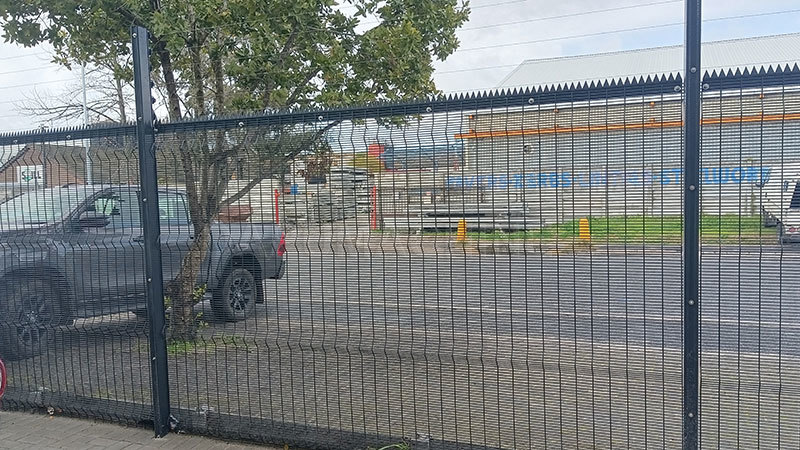

Anti-climb fence, also known as 358 fence or clear view fence, has become a preferred choice for projects that require maximum security and visibility. Compared with ordinary welded fence panels, anti-climb fence features smaller mesh openings and stronger wire construction, making it extremely difficult to climb or cut.
For entrepreneurs, fence manufacturers, and investors looking to enter the fencing industry, anti-climb fence production offers a promising business opportunity. However, success depends on understanding market demand, selecting the right equipment, and building an efficient production line.
This guide explains how to start an anti-climb fence manufacturing business in South Africa and how the right welding equipment can help improve productivity and profitability.
Why Is Anti-Climb Fence So Popular in South Africa?
South Africa faces unique security challenges that have created strong demand for high-security fencing products.
Today, anti-climb fence panels are widely used in:
- Prisons and correctional facilities
- Mining sites
- Railway protection projects
- Airport security fencing
- Municipal infrastructure
- Residential estates
- Industrial parks
- Border protection systems
The narrow mesh design of 358 fence panels makes climbing extremely difficult while maintaining excellent visibility. Security personnel can easily monitor protected areas without obstruction.
In addition, anti-climb fence panels require less maintenance than many traditional fencing systems, making them attractive for long-term projects.
As public and private investments in security infrastructure continue to grow, demand for anti-climb fence panels remains stable throughout South Africa.
Is Anti-Climb Fence Manufacturing a Profitable Business?
For many manufacturers, anti-climb fence production represents a profitable segment of the fencing industry.
Several factors contribute to its market potential:
Growing Security Requirements
More residential developments, industrial facilities, and government projects are investing in high-security fencing systems.
Repeat Orders
Unlike one-time construction materials, fence manufacturers often receive repeat orders from contractors, distributors, and government projects.
Higher Product Value
Anti-climb fence panels typically offer higher value compared with ordinary welded mesh products because of their security applications and stricter quality requirements.
Export Opportunities
South African manufacturers can also supply neighboring countries where demand for security fencing is increasing.
With the right production equipment and stable customer channels, anti-climb fence manufacturing can become a sustainable long-term business.
What Equipment Is Needed to Produce Anti-Climb Fence Panels?
A complete anti-climb fence production line typically includes several machines working together.
Wire Straightening and Cutting Machine
This machine straightens steel wire coils and cuts wires to the required length before welding.
Anti-Climb Fence Mesh Welding Machine
This is the core equipment of the production line. It automatically welds cross wires and line wires into anti-climb fence mesh panels.
Mesh Bending Machine
Many anti-climb fence panels include V-shaped strengthening bends. A mesh bending machine creates these reinforcement profiles after welding.
Auxiliary Equipment
Additional equipment may include wire pay-off systems, stacking devices, and panel handling equipment.
DAPU supplies complete anti-climb fence production lines from wire straightening to mesh bending, helping customers simplify factory setup and production management.
Mechanical or Pneumatic Welding Machine: Which Is Better?
Choosing the right welding machine is one of the most important decisions when starting a fence manufacturing business.
Mechanical Type
Mechanical anti-climb fence welding machines are suitable for:
- New manufacturers
- Smaller production volumes
- Limited investment budgets
DAPU's mechanical machines use reliable drive systems powered by high-quality motors and reducers, ensuring stable operation and long service life.
Pneumatic Type
Pneumatic welding machines are preferred by larger manufacturers that require higher output and greater efficiency.
The pneumatic system uses advanced air cylinders to achieve faster welding speeds and more stable welding quality.
For manufacturers serving large projects or export markets, pneumatic equipment often delivers higher long-term returns.
How Can High-Speed Welding Improve Profitability?
Production speed directly affects manufacturing costs and business profitability.
Many traditional welding machines struggle to keep up with increasing market demand. As orders grow, production bottlenecks can delay deliveries and reduce competitiveness.
DAPU's pneumatic anti-climb fence welding machine can achieve up to 120 strokes per minute, making it one of the most efficient solutions for high-volume fence production.
Higher production speed offers several advantages:
Increased Daily Output
More fence panels can be produced during each shift.
Lower Labor Costs
Higher automation reduces dependence on manual labor.
Faster Delivery Times
Customers receive products more quickly, improving satisfaction and increasing the likelihood of repeat orders.
Better Equipment Utilization
Manufacturers can maximize factory productivity without expanding production space.
For many fence manufacturers, production efficiency becomes a key competitive advantage.
Why Do Many South African Manufacturers Choose DAPU Machines?
South Africa has become one of DAPU's most important markets for anti-climb fence welding equipment.
Many local fence manufacturers choose DAPU machines because they combine high production speed, stable performance, and reliable component quality.
More than 60% of anti-climb fence manufacturers who compare different machine options eventually focus on production efficiency and long-term operating costs.
DAPU machines are designed to meet these requirements through robust construction and dependable automation technology.
Key Features of the DAPU Pneumatic Anti-Climb Fence Welding Machine

High-Speed Pneumatic Welding System
The pneumatic model utilizes European-style air cylinder technology.
Customers can choose SMC 63 common-type cylinders or energy-saving SMC 45 quadruple-force cylinders.
The welding speed can reach up to 120 strokes per minute, helping manufacturers significantly increase output.
Panasonic Servo-Controlled Line Wire Feeding
The line wire feeding system is controlled by Panasonic servo motors and SMC air cylinders.
This design ensures smooth movement, precise positioning, and consistent mesh quality.
Reliable Electrical Components
DAPU uses internationally recognized electrical brands, including:
- Schneider
- Panasonic
- Phoenix Contact
These components provide reliable performance and reduce maintenance risks.
Strong Drive System
For mechanical models, DAPU uses Mengniu motors and Guomao reducers.
The motor connects directly to the main shaft, delivering stronger power transmission and reduced wear.
Complete Production Line Solution
DAPU supplies the complete production process, including:
- Wire straightening
- Wire cutting
- Mesh welding
- Mesh bending
- Finished panel handling
This allows customers to establish efficient production operations with a single supplier.
Typical Anti-Climb Fence Production Process
The manufacturing process generally follows these steps:
- Wire straightening and cutting
- Cross wire preparation
- Mesh welding
- Panel inspection
- Mesh bending
- Surface treatment
- Packaging and shipment
With an automated production line, manufacturers can maintain consistent quality while reducing labor requirements.
How to Choose the Right Anti-Climb Fence Welding Machine
Before purchasing equipment, manufacturers should evaluate several factors:
Production Capacity
Estimate current and future production requirements.
Target Market
Consider whether products will serve local projects, export markets, or government contracts.
Budget
Balance initial investment against long-term production efficiency.
Product Specifications
Different projects may require different mesh sizes, wire diameters, and panel dimensions.
Future Expansion
Select equipment that can support business growth over the coming years.
Working with an experienced supplier can help avoid costly mistakes during factory setup.
Conclusion
As security requirements continue to grow across South Africa, the demand for anti-climb fence panels remains strong in residential, industrial, transportation, and government sectors.
For entrepreneurs and manufacturers looking to enter this market, investing in efficient production equipment is critical for long-term success.
With high-speed welding performance of up to 120 strokes per minute, reliable international components, and complete production line solutions, DAPU anti-climb fence welding machines help manufacturers improve productivity, reduce costs, and meet the growing demand for high-security fencing products.
Whether you are starting a new fence manufacturing business or expanding an existing operation, choosing the right equipment can play a major role in achieving sustainable growth and profitability.
Relevant news
Contact Us
Email: sales@dapumachine.com
Mobile: +86-186-3215-1819
WhatsApp/Wechat: +86-186-3215-1819
Tel: +86-311-8605-2622
Add:Anping Industrial Zone, Hebei, China
